

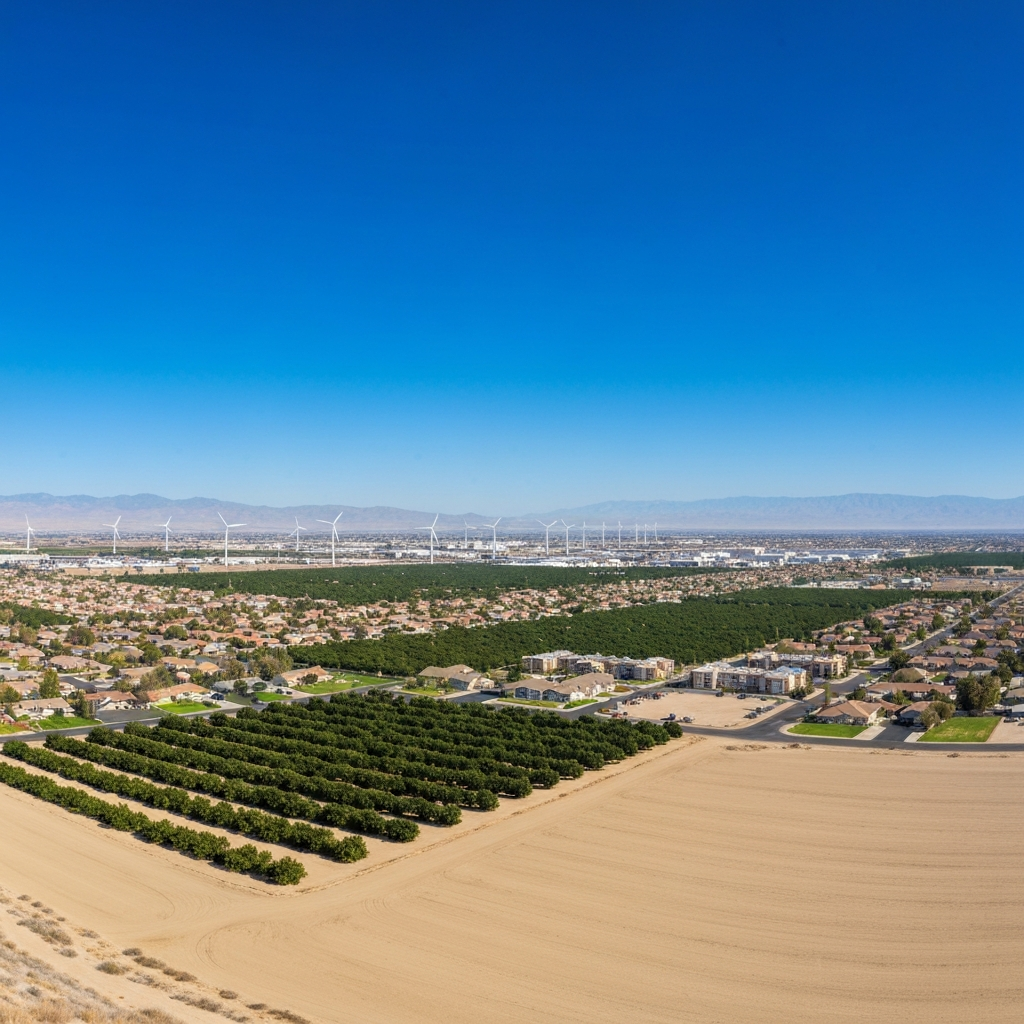
Lancaster, California, situated in the Antelope Valley, experiences a semi-arid climate characterized by hot summers and mild winters. Understanding these patterns is essential for residents to adapt and thrive in this environment.
Seasonal Overview
Summer
Summers in Lancaster are notably hot and dry. Average high temperatures in July reach around 98°F (37°C), with minimal rainfall. Residents should take precautions against heat-related illnesses and ensure adequate hydration during these months.
Winter
Winters are mild, with average high temperatures in December around 58°F (14°C). Nighttime temperatures can drop to approximately 30°F (-1°C). While snowfall is rare, averaging about 1 inch annually, occasional frosts can occur.
Precipitation
The city receives an average annual precipitation of about 6.81 inches (173 mm), primarily during the winter months. February tends to be the wettest month, averaging 1.76 inches (45 mm) of rainfall.
Environmental Considerations
Given the arid conditions, water conservation is crucial. Residents are encouraged to implement drought-resistant landscaping and adhere to local water usage guidelines. Additionally, the dry climate increases the risk of wildfires; maintaining defensible space around properties and staying informed about fire safety measures is essential.
By understanding Lancaster’s climate and taking appropriate measures, residents can enjoy and protect their environment year-round.